The warmth coursing
through the veins
Text and Photos: Leon Li
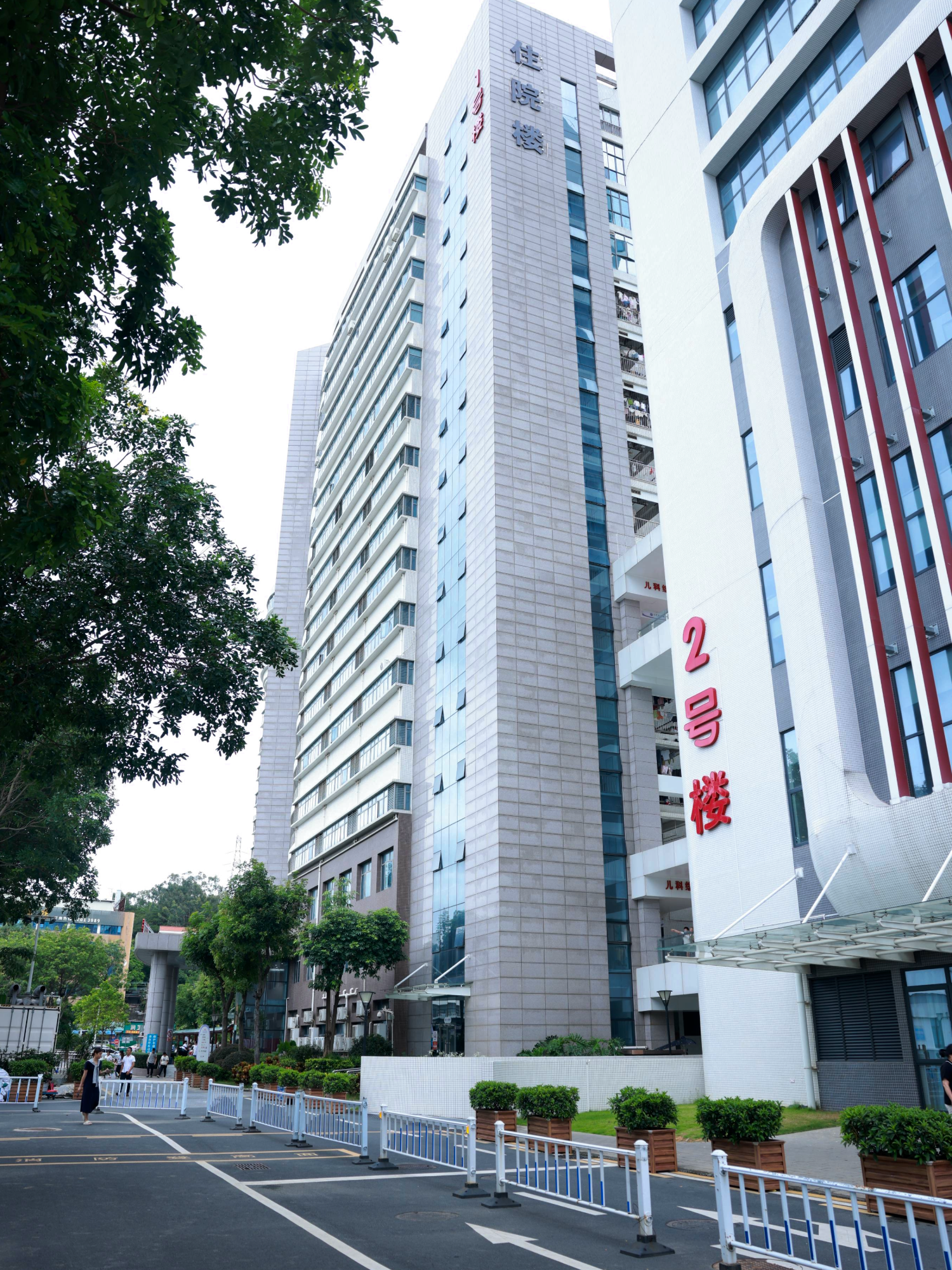
In the vibrant city of Dongguan, China, the Interventional Radiology Department at Dongguan Maternal and Child Health Care Hospital has long stood at the forefront of women’s and children’s health. Driven by Director Yang Yigang, its team has advanced obstetric, gynecologic, and pediatric interventions for years, leveraging minimally invasive technology to safeguard patients. Throughout this eight-year journey, Ziehm Imaging has been a steadfast partner. Its imaging solutions have served as a reliable backbone, supporting and witnessing a path of compassionate care and relentless innovation.
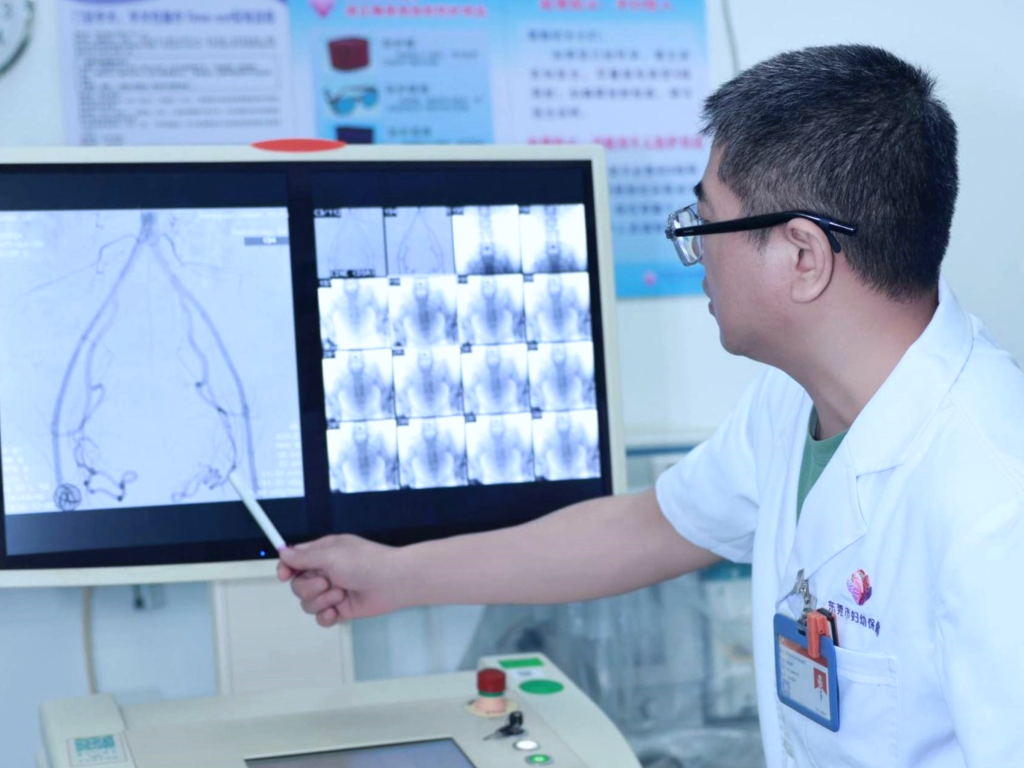
Building routine excellence in minimally invasive care
“Dongguan Maternal and Child Health Care Hospital is dedicated to women’s and children’s health, with gynecology, obstetrics, and pediatrics defining our core,” explains Director Yang Yigang. “In critical clinical situations—from preventing hemorrhage in Pernicious Placenta Previa to managing postpartum emergencies—timely intervention is vital. This is precisely the reason why our Interventional Department was established.” Postpartum hemorrhage, as one of the leading causes of maternal death worldwide, represents the ultimate test of a medical team’s emergency response capabilities.
“Supported by the Ziehm Imaging C-arm, our department has established routine proficiency in key interventional techniques, which include performing balloon occlusion for high-risk placenta previa (placenta accreta spectrum) to effectively mitigate postpartum hemorrhage risk, carrying out uterine artery embolization for the minimally invasive management of uterine fibroids and adenomyosis,” emphasizes Director Yang. “Furthermore, our expertise covers conducting chemoembolization for malignancies to extend patient survival, as well as a high-success-rate interventional program for pediatric vascular anomalies, including hemangiomas and malformations.”
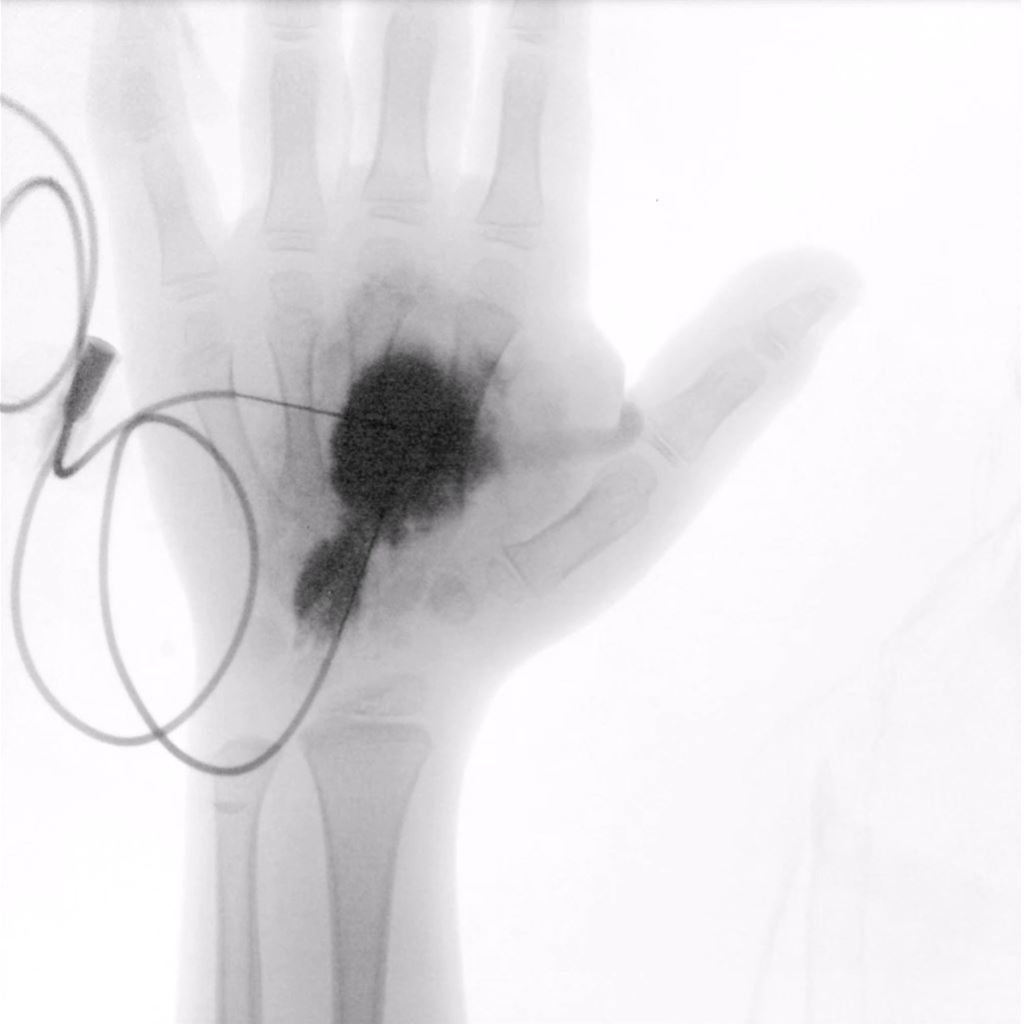
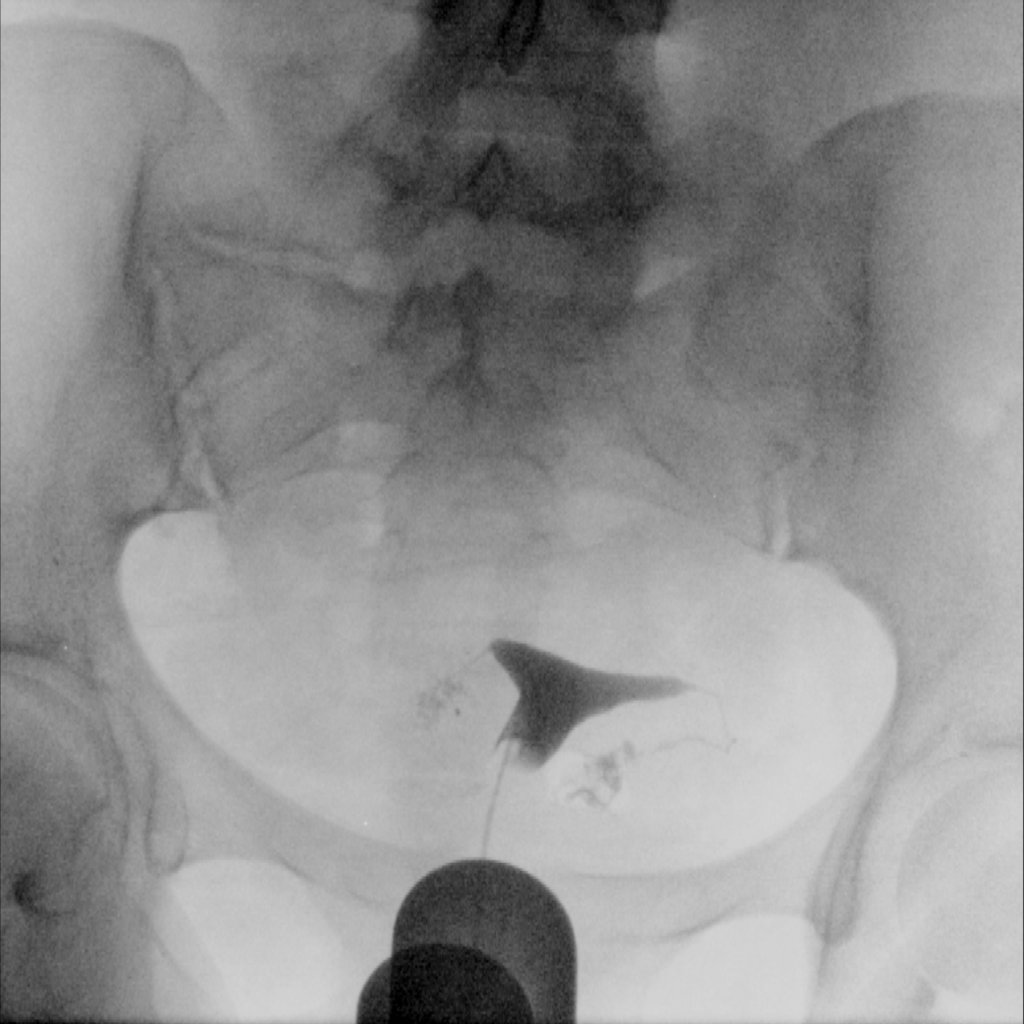
The mastery of these techniques has established minimally invasive intervention as the department’s defining feature. “We run specialist clinics three times a week, perform procedures daily, and maintain a 24/7 on-call team for immediate emergency response,” explains Yang Yigang, describing the department’s routine. As the hospital’s frontline emergency unit, the Interventional Department is in a constant race against time to save lives.
A race against time in the cath lab
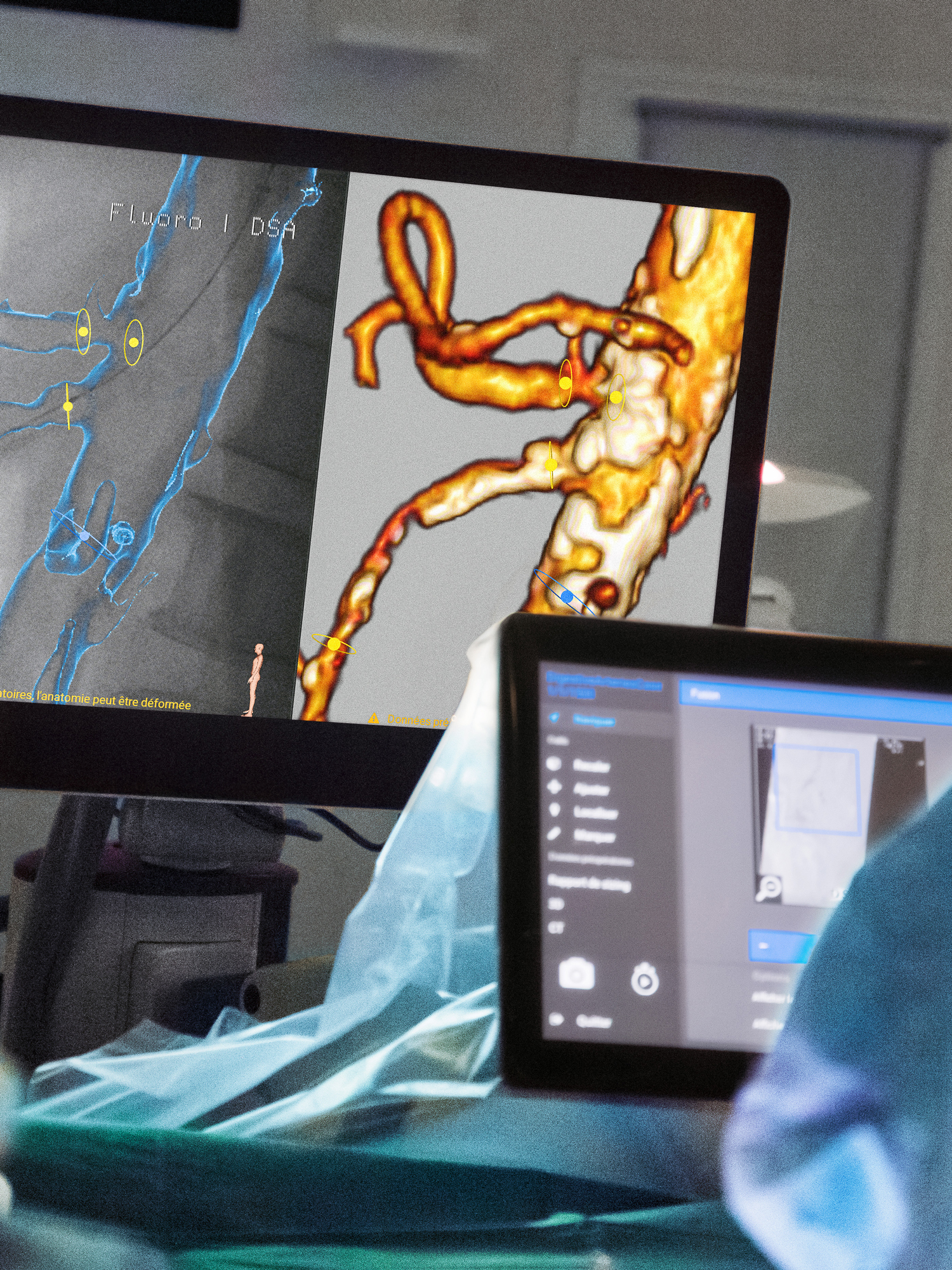
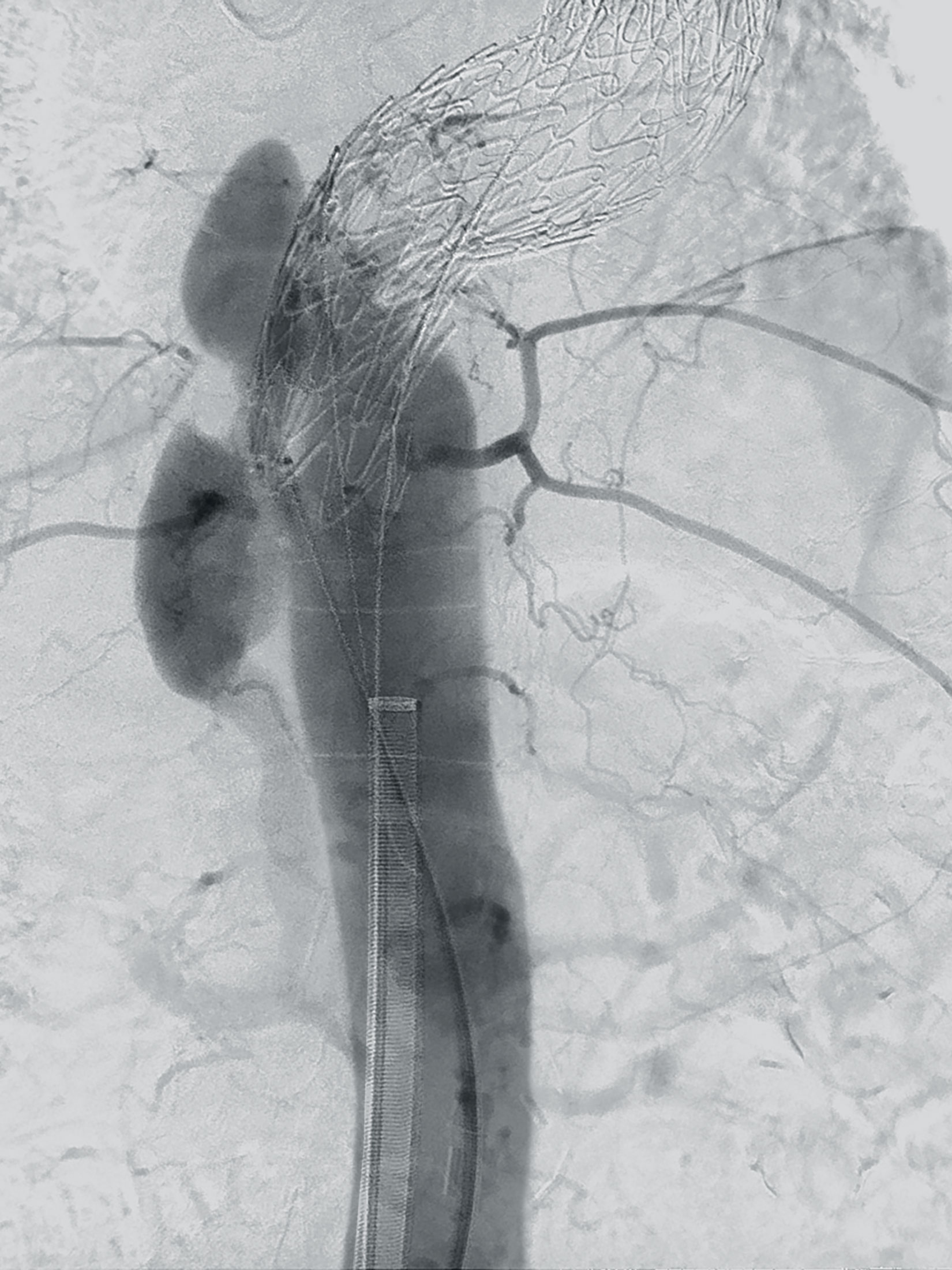
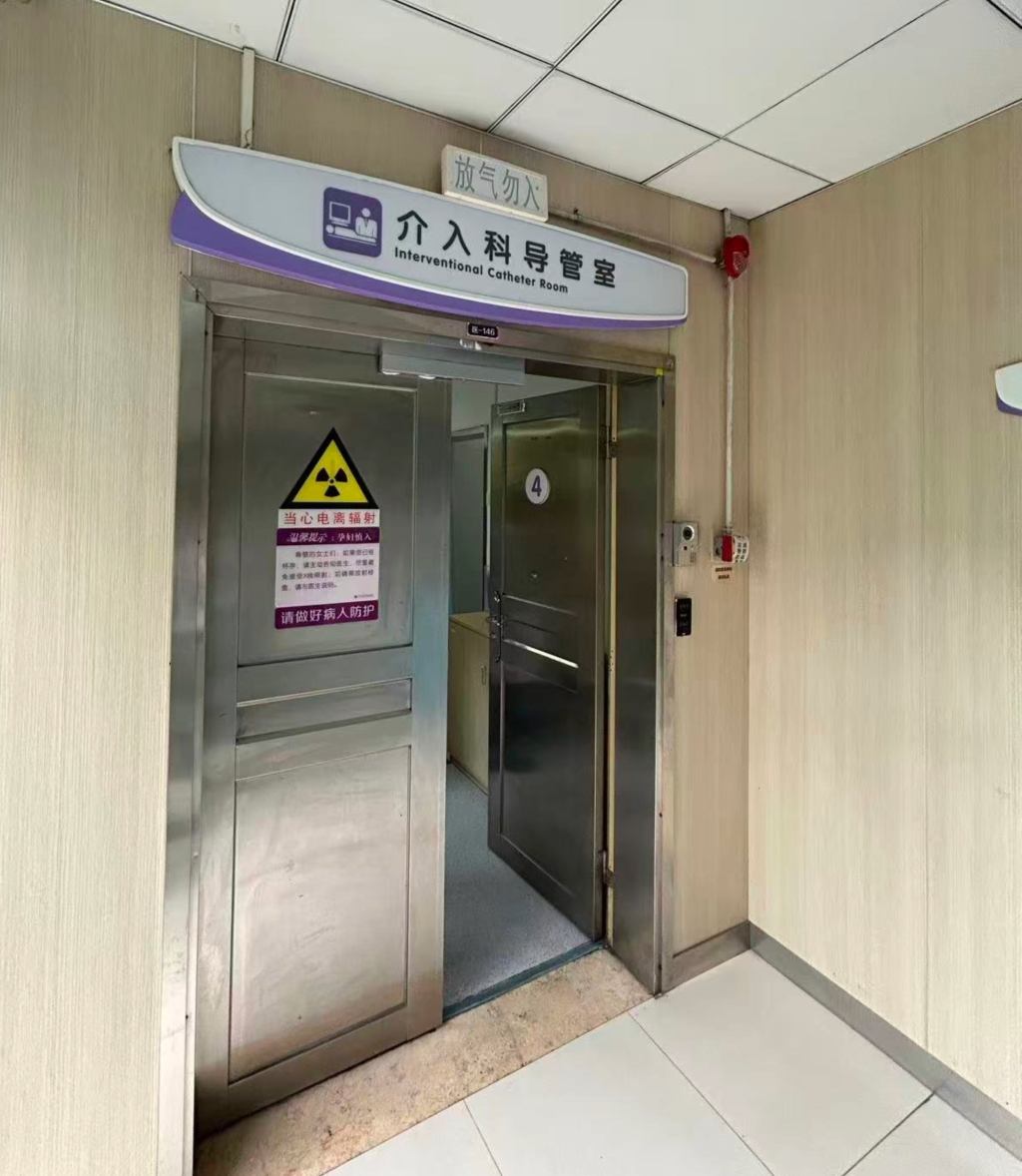
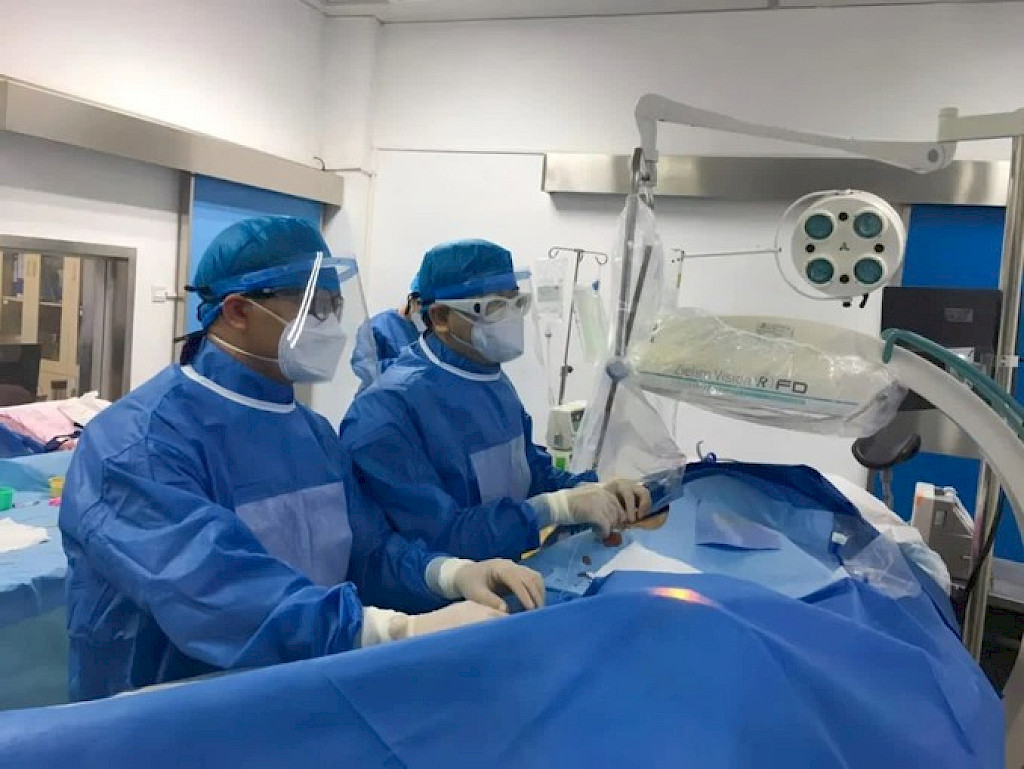
One late autumn night the year before, a critical call pierced the hospital’s silence. “Director Yang, we have a postpartum hemorrhage—routine measures are failing. The patient is critical!,” urged an anxious nurse on duty. Director Yang rushed in and swiftly coordinated with Obstetrics, Anesthesiology, and ICU to form a dedicated rescue team. Confronted with the patient’s rapidly declining vital signs, he made an immediate decision: “Proceed with DSA at once to localize the bleed, then perform precise embolization.” In the cath lab, guided by the high-definition imaging of the Ziehm Vision RFD, Director Yang navigated a microcatheter into the uterine artery. The screen clearly revealed the aberrant blood flow at the bleeding site. He then delivered absorbable gelatin sponge particles with precision, all while closely monitoring blood pressure and heart rate. The hemorrhage was finally controlled, and the patient’s vital signs steadied—marking a hard-won victory in this race against time.
Imaging reliability when every second counts
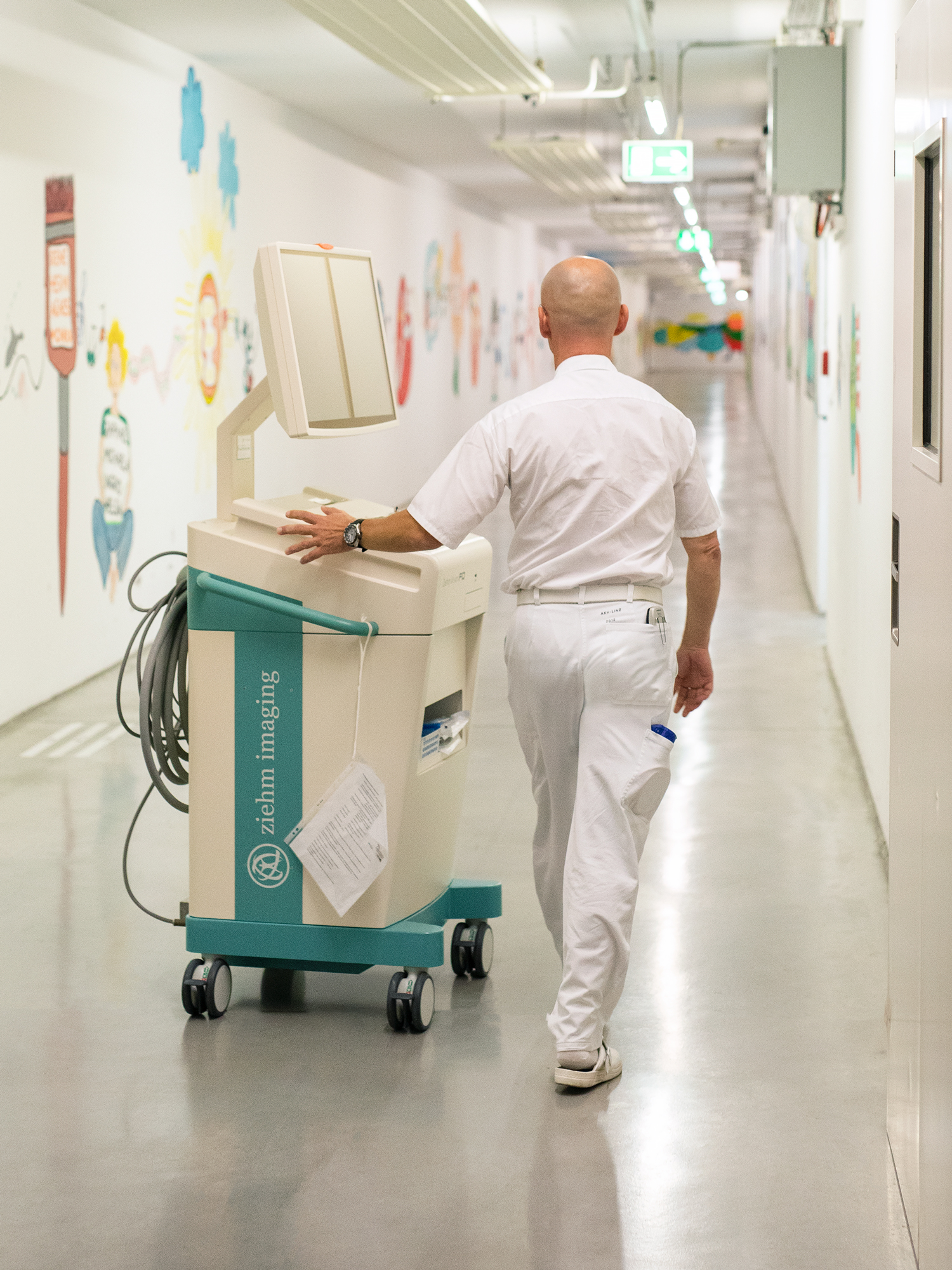
In such critical interventions, the Ziehm Vision RFD emerges as the surgical team's most invaluable ally. Engineered to premium industrial standards, it delivers stable, uninterrupted imaging throughout prolonged procedures, supported by its industry-leading cooling system Advanced Active Cooling (AAC). Furthermore, its compact footprint and high mobility make it an ideal fit for the space-constrained environments typical of women’s and children's hospitals. This flexibility is crucial in emergencies, ensuring adequate room is available for both the patient and essential equipment.
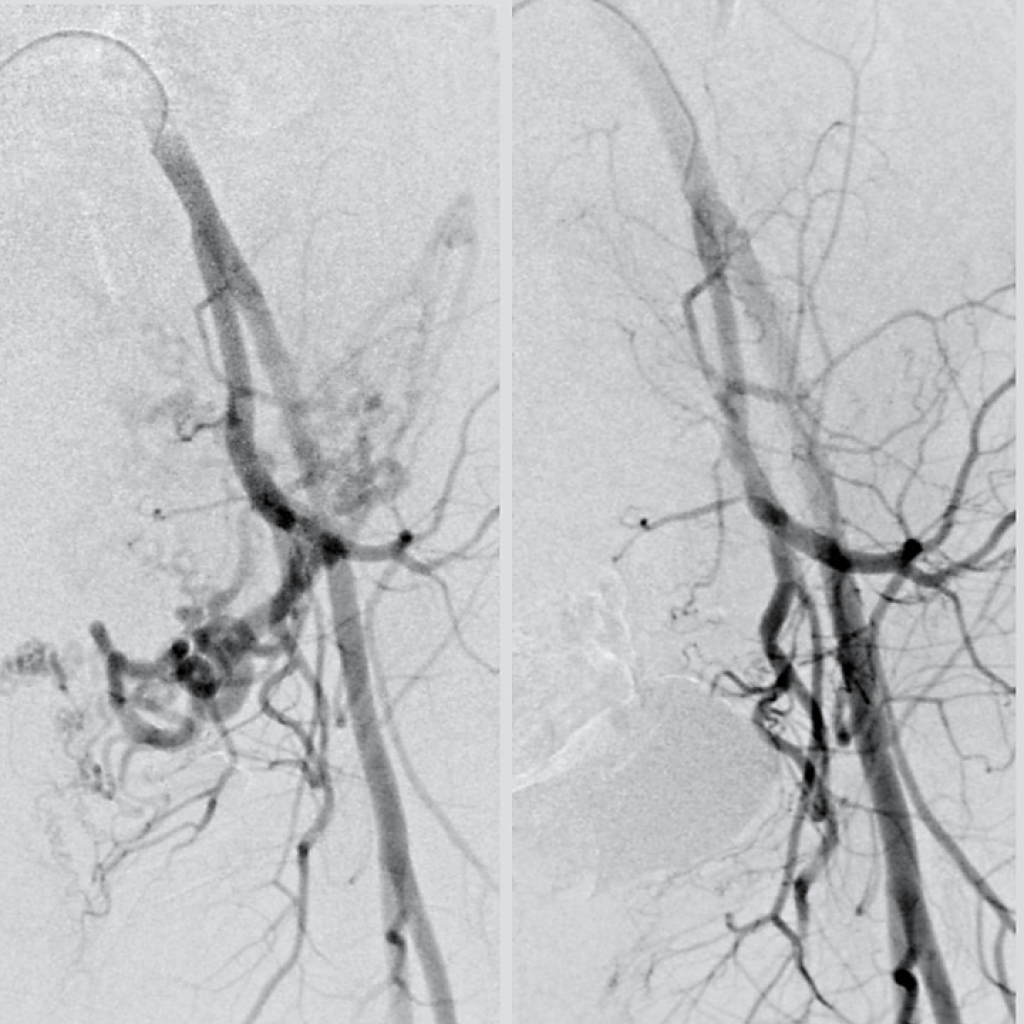
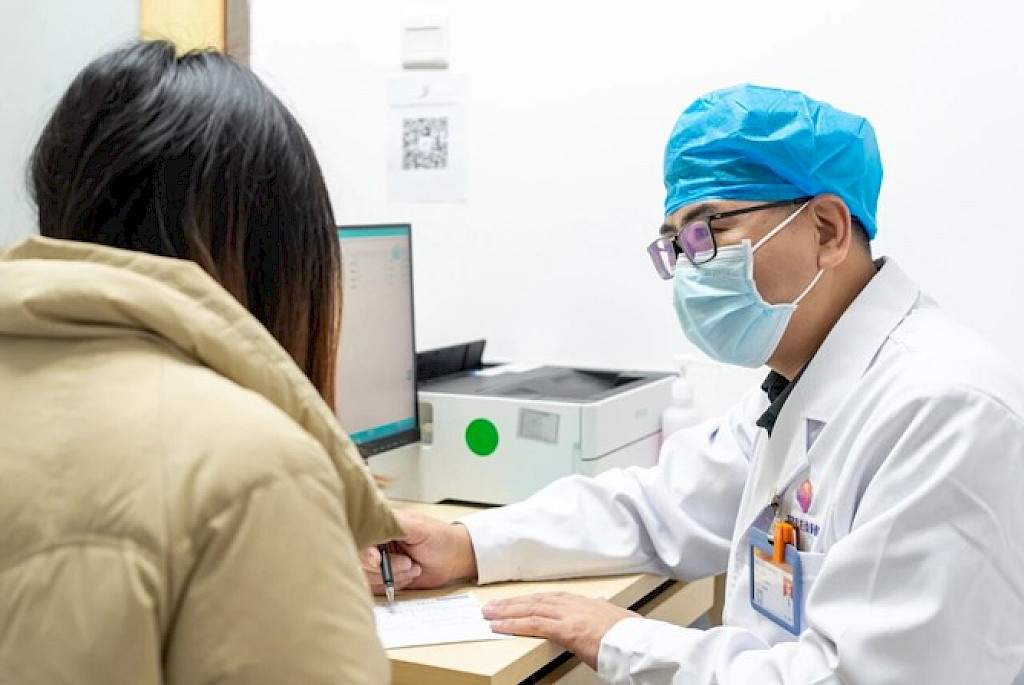
When discussing common cases seen in the clinic, Director Yang Yigang speaks with great engagement: “Hemangiomas and venous malformations in children are highly prevalent. We adopt a tiered treatment approach based on severity. The majority of young patients recover with oral medication combined with topical medicated compress therapy. Only a minority require sclerotherapy or surgical intervention. For instance, we recently achieved an excellent outcome in a shoulder venous malformation surgery. Another frequent condition is infertility caused by fallopian tube obstruction. Many families have successfully welcomed newborns after the patients underwent interventional recanalization to restore tubal function.” Director Yang particularly highlights the most prominent advantage of interventional therapy: its minimally invasive nature. “Many patients can be discharged on the same day without hospitalization, which greatly alleviates both physical and psychological burdens.”
The application of interventional techniques has also made it possible to treat locally patients with hemoptysis who previously required transfer to other hospitals. “Even a small amount of tracheal bleeding, as little as a few dozen milliliters, can cause fatal suffocation, posing an extremely high risk, especially for children,” explains Director Yang. “Interventional therapy achieves rapid hemostasis by embolizing the culprit vessels and has successfully treated many patients referred from other institutions.”
A case in point is an eight-year-old, who was admitted due to the sudden onset of severe cough and hemoptysis, with the volume of coughed-up blood reaching 20–30 milliliters. Bronchoscopy indicated a neoplasm in the right main bronchus, suspected to be endobronchial tuberculosis. After conservative treatment failed, Director Yang Yigang’s team decisively performed pediatric bronchial artery embolization. Through femoral artery puncture and catheterization, they accurately targeted the abnormally dilated bronchial artery. Upon injection of the embolic agent, the pathological blood flow ceased immediately, marking a complete surgical success. The boy has since made a full recovery, regaining his lively spirit and returning to school.
A reliable imaging partner in daily care
Since its installation nearly eight years ago, this Ziehm Vision RFD system has supported the department on a daily basis. “It’s no longer just a piece of equipment; it’s like an old comrade-in-arms,” Director Yang says fondly. “Its key strengths—clear imaging, compact footprint, and mobility—have proven invaluable in our clinical work. Throughout these eight years, even during extended fluoroscopy procedures, it has never once stopped imaging or forced a shutdown. Its reliability is impeccable.”
He also speaks highly of the device’s low-dose capabilities: “In surgeries for pregnant women and children, we routinely use the pediatric low-dose mode. It delivers the necessary image quality while reducing radiation exposure to a minimum.” To ease young patients’ anxiety in the unfamiliar setting, the medical staff would even use playful language, turning the Ziehm Vision RFD's appearance into a comforting explanation: “This is the spaceship here to make you better!” This approach helps the children to relax and cooperate with the procedure.
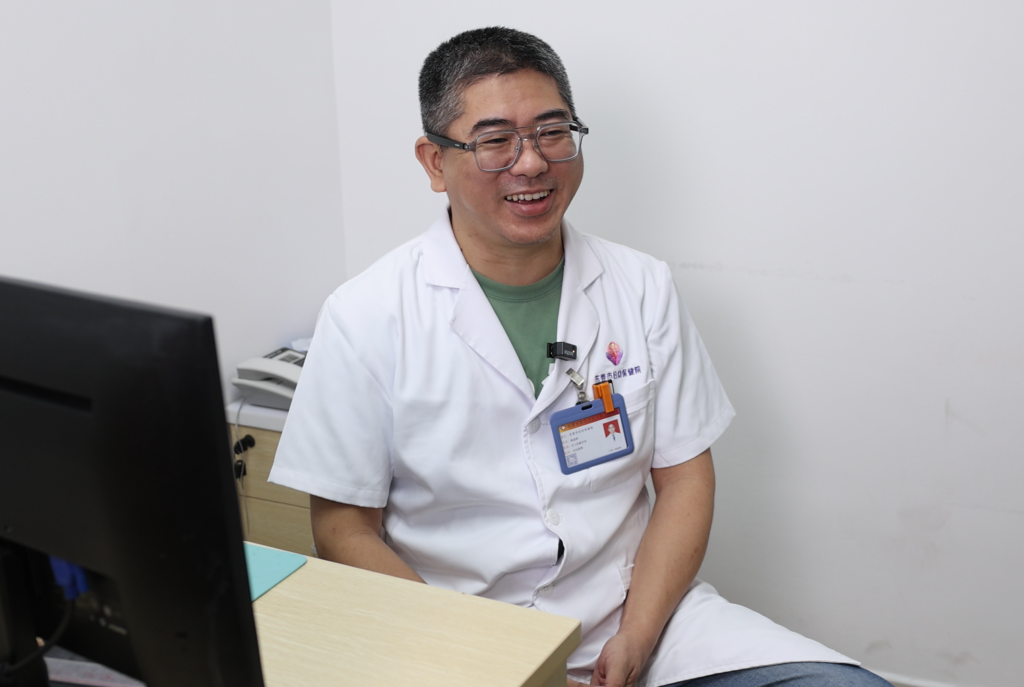
Technological innovation is the core driver of the department’s development, with Director Yang serving as its pioneering force. To address clinical challenges, he has led his team to make continuous breakthroughs in treating conditions such as postpartum hemorrhage, adenomyosis, uterine fibroids, and tubal infertility, developing a precise and efficient interventional therapy protocol. To alleviate patient discomfort, he spearheaded the implementation of painless hysterosalpingography. By optimizing preoperative assessment and refining the procedure, this effort transformed a traditionally uncomfortable examination into a much gentler experience, significantly enhancing patient satisfaction. Since its launch, this specialized service has not only received widespread patient acclaim but also become a benchmark for interventional diagnosis and treatment in the region.
Shaping the future of minimally invasive care
When discussing future directions, Director Yang Yigang’s eyes light up with anticipation: “In obstetrics and gynecology, we are pioneering new treatments for complex conditions like pelvic congestion syndrome and uterine arteriovenous fistulas, while also advancing our efforts to prevent and manage deep vein thrombosis in pregnant women. In pediatrics, our focus will be on treating neurovascular malformations, with the goal of benefiting even more women and children patients.”
“The banners displayed on the wall and the heartfelt words of thanks shared online attest to the deep trust and appreciation of our patients. Through eight years of close collaboration, our original dedication has remained unwavering”, says Director Yang. The partnership between the Interventional Department of Dongguan Maternal and Child Health Care Hospital and Ziehm Imaging exemplifies a deep integration of medical expertise with humanistic, actively honoring the solemn vow of “being entrusted with health and life.” “As we advance on our mission to protect the health of women and children, we pledge to continue our joint efforts: from shepherding the start of new life to safeguarding its precious growth, so that a stream of tender care may perpetually course through the very bloodstream of life,” concludes Director Yang.
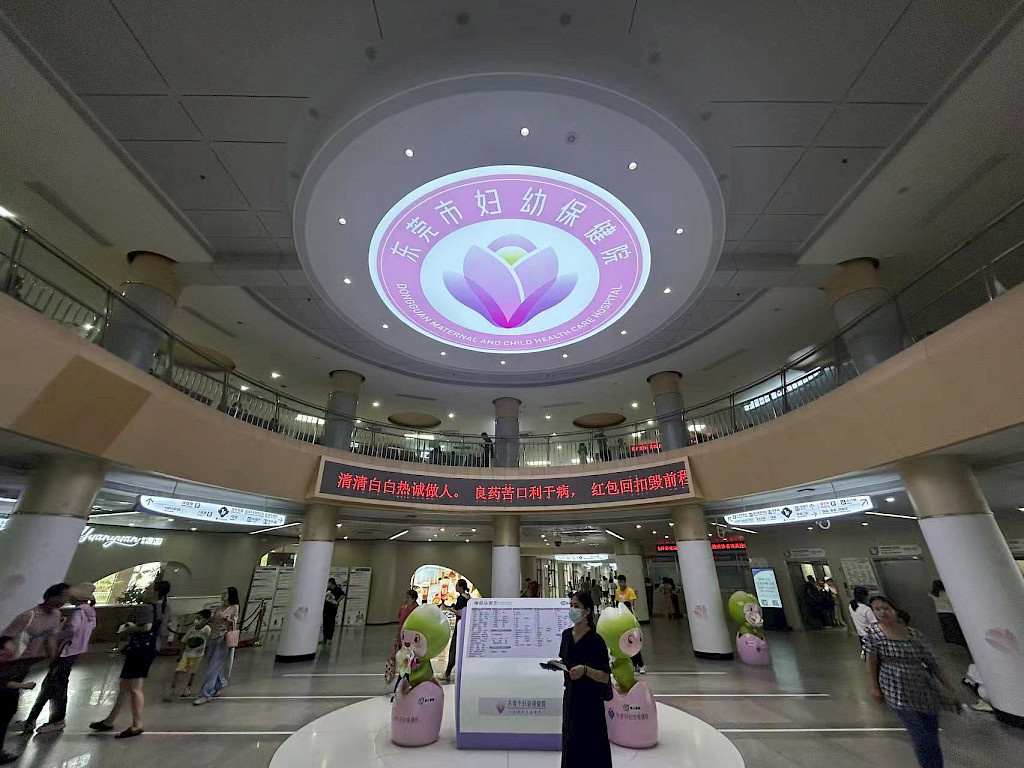
About the Interventional Department of Dongguan Maternal and Child Health Care Hospital
The department has long established a comprehensive scope of care in obstetric and gynecologic interventions: from reproductive health procedures such as fallopian tube recanalization and hydrosalpinx embolization, to embolization treatments for uterine fibroids and adenomyosis; from preoperative adjuvant chemotherapy and palliative care for gynecologic malignancies like cervical cancer, to hemostatic management of various malignant tumors and post-radiotherapy bleeding; and extending to emergency management of postpartum hemorrhage, ectopic pregnancy, and high-risk placenta previa, as well as the diagnosis and treatment of pelvic congestion syndrome and ovarian cysts. In the field of pediatric interventions, the department has also achieved remarkable results, covering vascular malformations such as hemangiomas and lymphatic malformations, solid tumors like hepatoblastoma, and acute conditions including respiratory and gastrointestinal hemorrhage. Additionally, the department undertakes interventional treatments for adults, addressing conditions such as varicose veins, hepatic hemangiomas, and both benign and malignant liver tumors.